

How Orlebar Brown is manufactured?
Orlebar Brown swim shorts are the premium models and they reflect complex 60-step manufacturing process, high-quality fabrics resistant to chlorinated and salt water, tailored design inspired by traditional men’s trousers, and details like metal side-fasteners with special marine-grade treatment against corrosion. They’re not just ordinary swimwear—they’re designed as “shorts you can swim in,” intended to be worn both in water and at cocktail settings.
What’s the difference between Orlebar Brown’s Bulldog, Setter, and Dane models?
The main difference lies in the leg length. The Bulldog is their most popular mid-length model that suits most men. The Setter is their shorter model with a sportier look (the style Daniel Craig wore as James Bond), while the Dane is their longest model reaching the knee. All three share the same quality construction features and side fasteners, but the different lengths allow adaptation to various style preferences and body types.
Are Orlebar Brown swim shorts the same as those worn by Daniel Craig as James Bond?
Yes, Daniel Craig as James Bond in “Skyfall” wore the Orlebar Brown Setter model in sky blue during the pool scene. Following the film’s tremendous success, Orlebar Brown later officially collaborated with EON Productions to create the “007 Heritage Collection,” featuring swim shorts with prints of iconic scenes from James Bond films, allowing fans to own a piece of cinematic history.
How do I choose the right size of Orlebar Brown swim shorts?
Orlebar Brown uses standard trouser sizes rather than swimwear sizes. If you wear a size 32 in regular trousers, you should select the same size for their swim shorts. It’s important to note that their swim shorts are designed to sit on the waist, not the hips. They feature side fasteners that allow adjustment of up to 5cm (2 inches), helping achieve the perfect fit. For uncertain buyers, Orlebar Brown offers a detailed size chart on their website, and their customer service is known for providing helpful sizing advice.
In the kaleidoscopic universe of luxury swimwear, where fleeting trends often overshadow substance, Orlebar Brown stands resolutely as a paragon of British sartorial excellence. Born from a moment of aesthetic frustration at a pool party in Rajasthan, this brand has transcended its humble origins to become the definitive purveyor of resort wear for the discerning gentleman who refuses to compromise on elegance, even when basking under the Mediterranean sun.
Founded by photographer Adam Brown in 2007, Orlebar Brown didn’t merely introduce another swimwear line to an already saturated market—it revolutionised how modern men approach holiday attire with its distinctive “shorts you can swim in” philosophy. The brand’s trajectory from a modest London-based startup to a global emblem of refined coastal luxury merits thorough examination, not least because it exemplifies how visionary design thinking can transform an overlooked niche into a coveted lifestyle statement.
From Photographic Eye to Design Revolution: The Genesis of a British Icon
The conception of Orlebar Brown emerged not from the traditional fashion industry machinations but from Adam Brown’s photographic sensibilities. His trained eye, accustomed to capturing perfect moments, couldn’t help but notice the jarring visual dissonance at a friend’s 40th birthday celebration in India. While the women exuded poolside sophistication, the men lounged awkwardly in either baggy board shorts or inappropriately tight briefs—neither option offering that seamless transition from water to social interaction that modern life demands.
This eureka moment catalysed Brown’s vision for a garment that would bridge this divide—a tailored short precise enough for cocktails yet functional enough for swimming. Working meticulously from his spare bedroom in London, Brown combined classic British tailoring principles with contemporary functionality, creating the now-iconic Bulldog shorts. These weren’t mere swimming trunks; they were architectural statements featuring side-fasteners reminiscent of traditional suit adjusters, curved waistbands providing superior fit, and quick-drying fabric that retained its structural integrity regardless of environment.
What distinguishes Orlebar Brown from ephemeral fashion phenomena is its unwavering commitment to craftsmanship. Each pair undergoes a 60-step process before reaching the consumer, with patterns cut from premium fabrics sourced predominantly from European mills famed for their exceptional standards. The brand’s distinctive silhouette—clean, precise, and inherently masculine without veering into ostentation—reflects Brown’s philosophy that true luxury lies not in conspicuous branding but in the understated excellence of construction and the intelligence of design.
“We’re not a fashion brand,” Brown has repeatedly insisted in interviews with British Vogue and GQ. “We create tailored resort wear built on architectural principles—pieces that solve problems rather than merely adorn the body.” This pragmatic approach resonates profoundly with Orlebar Brown’s clientele: accomplished individuals who appreciate how thoughtful design enhances experience rather than complicating it.
The brand’s original palette—predominantly naval blues, crisp whites, and cardinal reds—evokes the golden age of Riviera sophistication while remaining thoroughly contemporary. This chromatic discipline has become something of an Orlebar Brown signature, though recent collections have explored more adventurous territory without abandoning the fundamental restraint that defines the brand’s aesthetic ethos.
The Bond Effect and Beyond: Cultural Impact and Celebrity Endorsement
When Daniel Craig emerged from azure Mediterranean waters in “Skyfall” wearing sky-blue Orlebar Brown Setter shorts, the brand achieved what marketing executives might call a “cultural inflection point.” This was no conventional product placement—it was a perfect convergence of character and consumer product. Bond, that enduring symbol of British sophistication and masculine capability, seemed destined to wear Orlebar Brown, a brand predicated on precisely those values.
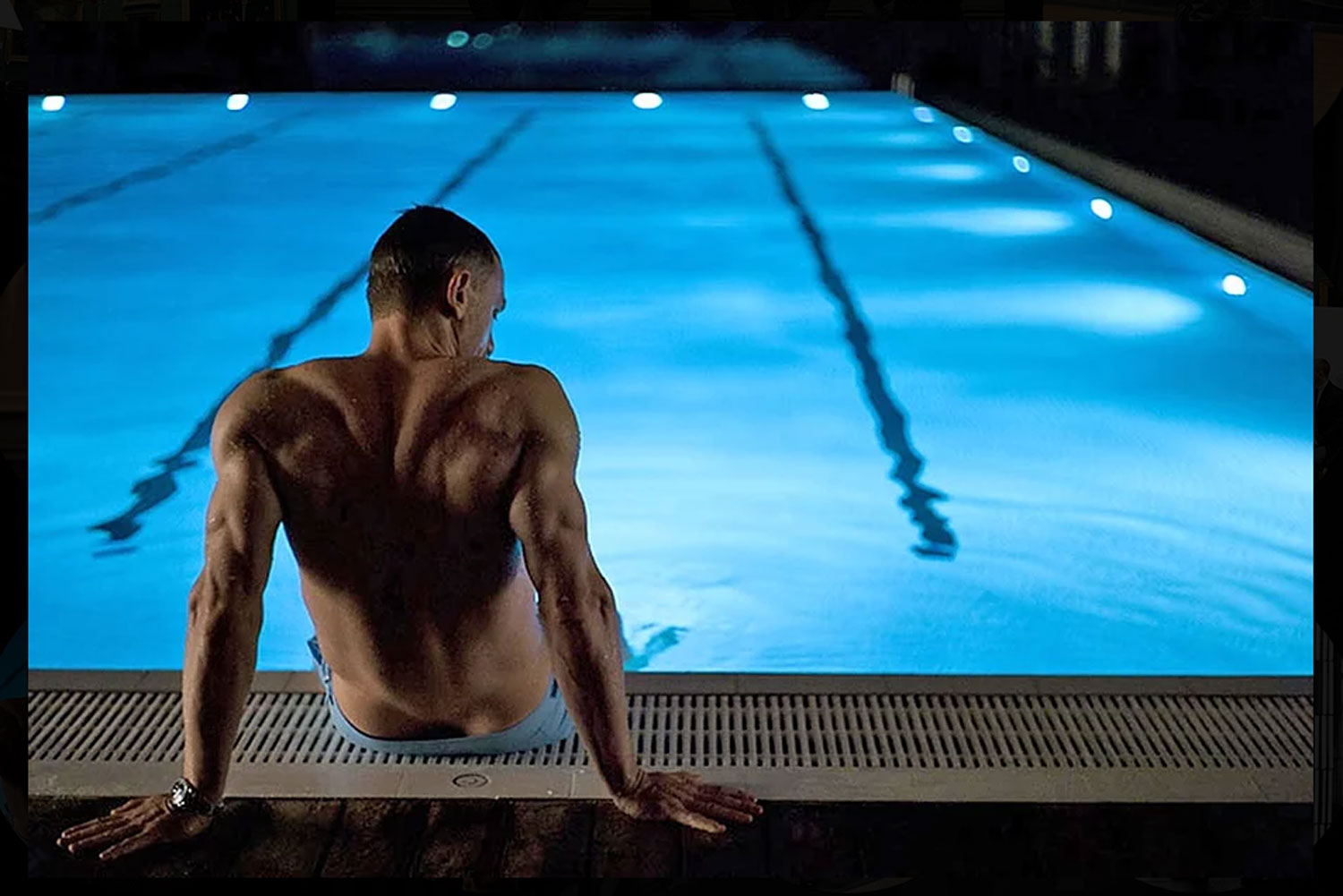
The cinematic moment catapulted the brand into global consciousness, initiating what industry insiders refer to as “the Bond effect”—a dramatic surge in both sales and brand recognition. Discerning viewers noted that the shorts weren’t merely attractive swimwear; they embodied Bond’s character traits—precision, elegance, and functionality without unnecessary embellishment. As Craig strode confidently from sea to bar, the shorts demonstrated their raison d’être: facilitating seamless transition between environments without sacrificing style.
This iconic moment led to an official collaboration between Orlebar Brown and EON Productions in 2018, resulting in the 007 Heritage Collection—a capsule of swim shorts recreating memorable moments from the Bond franchise’s illustrious history. The limited-edition pieces featured photographic prints from classic Bond films on the brand’s signature Bulldog silhouette, allowing enthusiasts to literally wear pieces of cinematic history.
Yet Orlebar Brown’s cultural footprint extends beyond this celebrated connection. The brand has attracted a remarkably diverse coterie of notable devotees—from Leonardo DiCaprio, spotted wearing their classic designs during his Mediterranean sojourns, to Hugh Jackman, who favours their more athletic silhouettes. David Beckham, that paragon of contemporary British style, has been photographed numerous times in their tailored swim shorts on beaches from Malibu to Bali.
Perhaps most interestingly, Orlebar Brown has achieved the rare distinction of cross-generational appeal. While established gentlemen appreciate its classic sensibilities, younger consumers are drawn to its sustainability initiatives and collaborative spirit. Few brands manage this delicate balancing act between heritage values and contemporary relevance with such apparent effortlessness.
An intriguing trivia point that illustrates the brand’s meticulous attention to detail: each metal side-fastener on Orlebar Brown shorts undergoes a specialised marine-grade treatment to prevent corrosion from saltwater and chlorine—a seemingly minor consideration that exemplifies the brand’s commitment to longevity over planned obsolescence. Similarly revealing is the fact that Adam Brown personally approves each photographic print used in their signature series, sometimes spending weeks ensuring the image alignment across seams achieves perfect continuity—a level of fastidiousness rarely seen in contemporary manufacturing.
The Evolution of a Lifestyle Empire: Beyond the Perfect Short
While Orlebar Brown established its reputation through revolutionary swim shorts, the brand has meticulously expanded into a comprehensive resort wear ecosystem. This evolution reflects not merely commercial opportunism but a logical extension of the founding philosophy—that holiday attire deserves the same consideration as formal business wear.
The brand’s current offerings encompass everything from polos crafted from proprietary cotton-piqué blends that maintain structural integrity despite humidity, to lightweight linen shirts designed specifically for tropical conditions. Terry cloth cabana sets—once a staple of mid-century Riviera wardrobes—have been reinterpreted with modern fabrication techniques, creating garments that evoke nostalgic luxury while meeting contemporary performance expectations.
Particularly noteworthy is Orlebar Brown’s approach to outerwear. Their lightweight jackets and blazers incorporate technical elements without sacrificing the clean lines and refined silhouettes upon which the brand built its reputation. The Bulldog Jacket, for instance, utilises water-resistant cotton with strategically placed ventilation—a garment engineered specifically for unpredictable coastal conditions.
This systematic expansion demonstrates something profound about the brand’s understanding of its consumer. The Orlebar Brown man doesn’t merely seek attractive swim shorts; he desires a coherent wardrobe solution for environments where leisure and sophistication intersect. By providing this comprehensive approach, the brand transforms from a product purveyor to a lifestyle architect—a considerably more substantial relationship with its clientele.
The brand’s Design Your Own service represents perhaps the most innovative extension of their core principles. This platform allows customers to create bespoke swim shorts using personal photographs or by selecting from an extensive library of curated images. What began as a novelty has evolved into a significant aspect of the business, with some clients commissioning shorts featuring architectural photography of their holiday homes or aerial images of their favourite coastlines—the ultimate expression of personalised luxury.
Another fascinating detail that underscores Orlebar Brown’s commitment to authenticity: when creating their iconic photographic prints, the brand exclusively licenses images from renowned photographers like Slim Aarons, whose work captured the golden age of jet-set leisure culture. Unlike competitors who might use stock imagery, Orlebar Brown ensures each visual narrative carries genuine cultural and historical significance.
Conclusion: The Future of Refined Resort Wear
As Orlebar Brown continues its global expansion—now with stores in over 25 countries and a robust digital presence—it faces the challenge confronting all successful luxury brands: maintaining exclusivity while pursuing growth. The 2018 acquisition by Chanel has provided resources for expansion without diluting the core identity that resonates so powerfully with its customer base.
The brand appears well-positioned to navigate the evolving luxury landscape, having established a distinctive design language that transcends seasonal trends. Its focus on timeless silhouettes, exceptional craftsmanship, and understated elegance provides a sustainable alternative to fast fashion’s churn. Moreover, recent initiatives in sustainable manufacturing—including regenerated nylon swimwear and organic cotton resort wear—demonstrate awareness of contemporary concerns without resorting to superficial greenwashing.
For the discerning gentleman seeking to cultivate a sophisticated holiday wardrobe, Orlebar Brown continues to offer something genuinely distinctive: garments that solve problems rather than create them, pieces that transition effortlessly between contexts, and designs that communicate understated confidence rather than fashion anxiety.
Having rewritten the rules of resort wear, Orlebar Brown’s future appears as carefully plotted as one of its signature photographic prints—a vision of British innovation continuing to shape global perceptions of casual luxury. As we observe the brand’s evolution, we’re witnessing not merely the growth of a fashion enterprise but the ongoing refinement of a philosophy about how modern men should approach the intersection of leisure, style, and functionality.
We’re curious about your experiences with Orlebar Brown—have you embraced their vision of tailored resort wear, or do you have other preferences for coastal sophistication? Perhaps you have your own story about transitioning from pool to social setting in these iconic shorts? Share your thoughts in the comments below, and join the conversation about how British design continues to redefine global standards of refined casual elegance.
Sale!

Select options
This product has multiple variants. The options may be chosen on the product page